sunekos
Sunekos Dublin: What It Is, Cost, and Our Alternative


If you're searching for Sunekos in Dublin, you're probably not really searching for Sunekos. You're searching for the thing it promises: skin that looks better in itself — firmer, brighter, less crepey, less tired around the eyes — without adding volume or changing your face.
That's a good thing to want. This guide explains what Sunekos actually is, what a course of it costs in Ireland, and — honestly — why it isn't the treatment we reach for at Amara any more, and what we use in its place.
What Sunekos actually is
Sunekos is an injectable made of six amino acids — among the building blocks the body uses to make collagen and elastin — carried in non-crosslinked hyaluronic acid. That phrase “non-crosslinked” is the important part, and it's what separates it from filler.
A dermal filler is crosslinked: the hyaluronic acid is chemically bonded into a firm gel that holds its shape and physically occupies space. That's why filler adds contour and volume. Sunekos is the opposite — a thin, spreadable solution designed to disperse through the skin rather than sit in it. The proposed mechanism is that it supplies raw material into the tissue rather than propping it up. It isn't a treatment that changes your proportions, because nothing is being added in the structural sense.
The intended effect is on skin quality: better hydration, a little more firmness, a smoother surface. It sits in the same broad family as the treatments we call skin boosters — treatments aimed at the condition of the skin rather than the shape of the face.
The under-eye question
Most people who ask us about Sunekos are asking about their eyes. It built its reputation on the under-eye area, and the logic is sound: the lower-lid skin is among the thinnest on the body, it thins further with age, and as it does the bluish tone of the vessels beneath begins to show through. That kind of darkness isn't a hollow, so filling it doesn't fix it — you need the skin itself to be thicker and better quality.
This is a real and often-missed distinction. “Dark circles” is a look, not a diagnosis, and it comes from at least four different things: a genuine hollow casting a shadow, pigment in the skin, thin crepey skin showing the vessels beneath, or puffiness from fat and fluid. Broadly, only the first is likely to respond to tear trough filler, and only the third to a skin-quality treatment. Puffiness from herniated fat responds to neither, and filler placed under a genuine bag usually makes it look heavier. Getting that assessment right matters more than which brand you eventually choose — in our experience it's one of the most common reasons people are disappointed by under-eye treatment they've paid good money for.
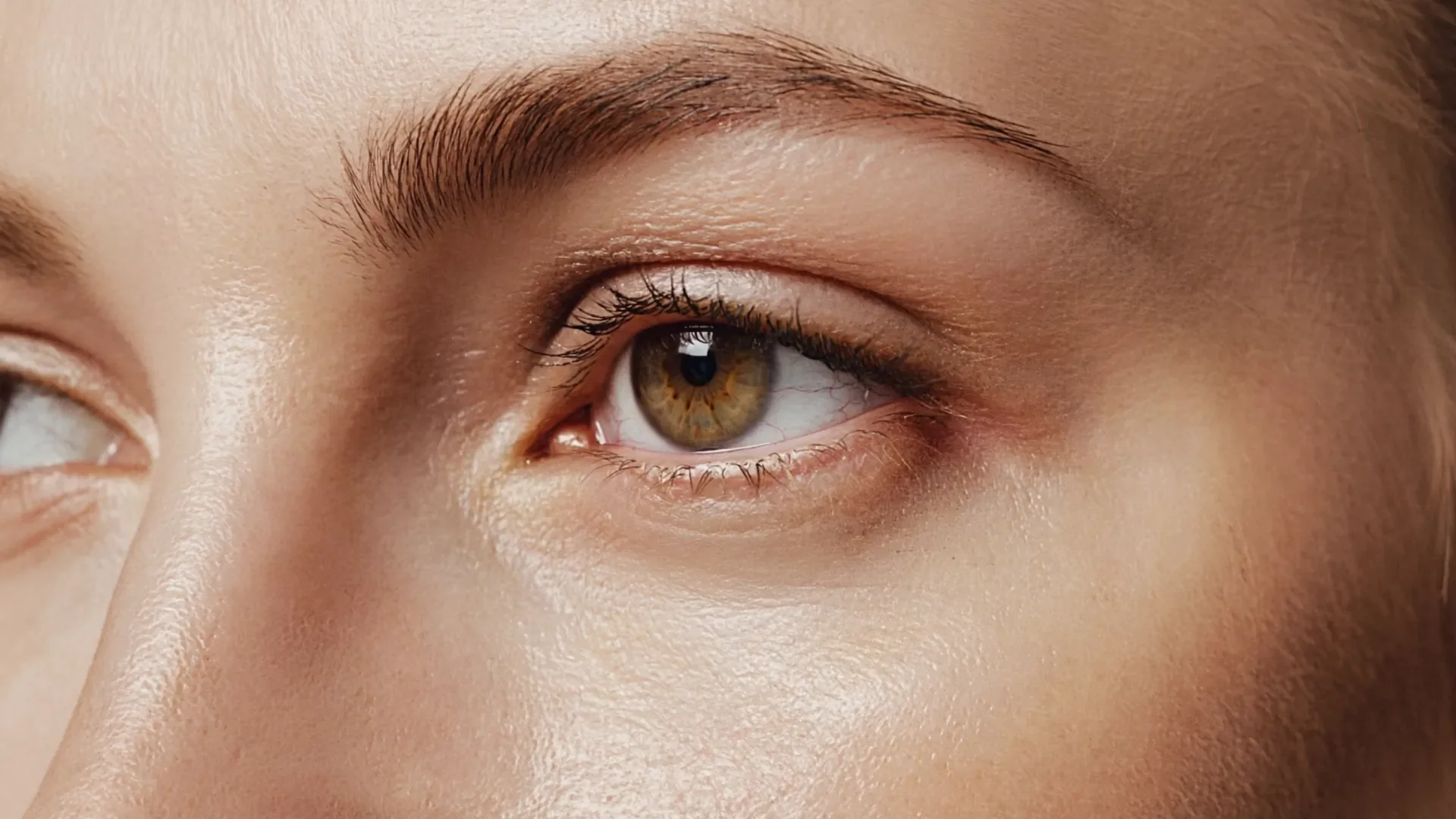
Choosing the right target — hollow, pigment, skin or puffiness — matters more than choosing the right product. In our experience, most disappointing under-eye results start with the wrong target.
Why we don't use Sunekos any more
We did offer it, for a good while. It's a reasonable treatment and plenty of good injectors in Ireland still use it and get results their patients are happy with. What changed for us is that we started using other tools for the same problems, and in our own patients those gave us results we could predict more reliably.
Three practical things drove the decision:
- The course is demanding. The usual Sunekos protocol is four sessions one to two weeks apart, then a repeat course later in the year. That's a lot of appointments — and a lot of needling of a delicate area — and in our hands the result faded sooner than patients expected.
- In our hands, the results were less predictable. Some of our patients did beautifully. Others completed the full course and struggled to see a difference. When we can't tell you with reasonable confidence which of those two you'll be, we'd rather offer something we can.
- Other tools suit these problems more directly. Polynucleotides are aimed squarely at thin, poor-quality skin, and Profhilo at overall firmness and hydration — and both are shorter courses.
That's a clinical judgement based on what we saw in our own patients over time, not a verdict on the product. Different clinics reach different conclusions honestly, and if Sunekos has worked well for you elsewhere, that's a perfectly good reason to stay with it.
What we use instead
Polynucleotides are purified DNA fragments, usually derived from salmon or trout — worth knowing if you have a fish allergy, though it's something we'd ask about at consultation anyway. They're what we most often reach for when the problem is genuinely thin, crepey skin, especially around the eyes. Rather than adding volume, the aim is to support the skin's own repair processes so the tissue builds better structure over the following weeks. A course is typically one to three sessions, three to four weeks apart, and it's become our first choice for the exact under-eye concern most people arrive asking about Sunekos for. If you're weighing it up, our polynucleotides Dublin page covers what's involved and current pricing.
Profhilo is a different tool for a broader problem. It's a high-purity hyaluronic acid that isn't chemically crosslinked, designed to spread through the tissue and release slowly, hydrating and firming across a whole area — the lower face, the neck, the décolletage — rather than treating one small zone. Most people start with two sessions four weeks apart, then a maintenance session every six to nine months. It's what we suggest when the complaint is less about one feature and more that the skin overall has lost its bounce. We've written about how bioremodelling works in more detail.

That's the substance behind “fewer visits”: two sessions for Profhilo, or one to three for polynucleotides, against four for a Sunekos course. Neither is a facelift, and neither will do anything for pigment or for a true hollow. They're gradual, cumulative treatments — and if what you actually need is volume, or laser, or simply better skincare and daily sun protection, we'll tell you that instead.
What to expect, and who it isn't for
These are injectable medical treatments, and they deserve to be described as such. Expect small needle marks, and some redness, swelling or bruising for a few days afterwards — more likely and more visible around the eyes than elsewhere. Small lumps or bumps can occur and usually settle; less commonly they persist and need review. As with any injection through the skin, infection is a rare but real risk, which is why technique, sterility and a proper medical setting matter.
They're not suitable for everyone. We'd avoid treating during pregnancy or breastfeeding, over an active skin infection or inflamed area, or where there's a known allergy to a component of the product — including fish allergy in the case of polynucleotides. Some medical conditions and medications, particularly blood thinners, change the picture too. All of this is what the consultation is for: we go through your history, explain the risks specific to you, and take proper consent before anything is booked. Results vary from person to person, and no injectable treatment can promise a particular outcome.
What it costs in Dublin
Sunekos in Ireland is usually priced per session, commonly somewhere around €280–€300, with several clinics offering the standard four-session course as a package for roughly €900–€1,200. Prices move, so treat those as a guide and confirm with whoever is quoting you — and always ask for the course total and how soon it needs repeating, because that's where the real cost of this category hides.
For what we actually offer, our starting prices are straightforward:
- Profhilo — from €450 for one area, such as the face or the neck.
- Polynucleotides — from €600 per area, including the eye area.
- Doctor consultation — €100 (a €50 deposit to book, €50 at the clinic). Go ahead with treatment the same day and the full €100 comes off it.
Larger or multi-area plans cost more; you can see the full ranges on the Amara price list. What we won't do is quote you a treatment plan before we've looked at your skin, because the number of sessions genuinely depends on what we find. If you'd rather start without the consultation fee, our VISIA skin assessment is free and is a good first step if skin quality is your main concern.
How we decide, in practice
Every skin-quality plan at Amara starts with an assessment, not a product. We look at what's actually driving the concern — is this thin skin, pigment, a hollow, sun damage, or simply dehydration? — and we'll often use a VISIA skin analysis to see what's beneath the surface rather than guessing from what's on it.
Only then does the conversation turn to treatment. Sometimes the honest answer is polynucleotides. Sometimes it's Profhilo. Sometimes it's neither — it's a proper skincare routine, or daily SPF, or a treatment aimed at pigment, or, for a true hollow, a very small amount of filler placed carefully. Part of what you're paying a doctor for is being told when the treatment you came in asking for isn't the one that will help.
Common questions
What is Sunekos?
An injectable treatment combining six amino acids with non-crosslinked hyaluronic acid, intended to improve skin quality — hydration, firmness and texture — rather than add volume the way a dermal filler does.
Do you offer Sunekos at Amara?
No. We used to, and we moved to polynucleotides and Profhilo for the same concerns because, in our hands, they gave more predictable results in fewer sessions. If you've had Sunekos elsewhere and liked it, do say so at consultation — it tells us useful things about how your skin responds.
Is Sunekos better than Profhilo?
They're aimed at slightly different things, so “better” depends on the problem. Sunekos leans toward skin repair in delicate areas; Profhilo toward firmness and hydration across a whole region. In our own practice we found Profhilo and polynucleotides more dependable, which is why we use them — but that's our clinical experience, not a universal ranking, and other clinics reach different conclusions in good faith.
Will any of this fix my dark circles?
Only if the darkness is coming from thin, poor-quality skin. If it's pigment, a skin-quality injectable won't touch it; if it's a genuine hollow, you need volume rather than skin treatment; if it's puffiness from fat pads, neither will help. That's why we assess the cause before recommending anything.
How soon would I see a difference?
These treatments work gradually, over weeks rather than days, as the skin responds — typically with peak results around a month after a second session. That's the trade-off for a natural result, and results vary from person to person.
How do I book?
Start with a doctor consultation — you can book online here. We'll assess what's actually causing your concern and give you an honest recommendation, including if that recommendation is to do nothing at all.
If you came here looking for skin quality rather than volume, the two treatments I actually reach for are covered in Profhilo bioremodelling and skin boosters versus polynucleotides versus filler. For why I often steer people away from filler entirely, see filler versus biostimulators. You can see the full range on our injectable treatments page, or start at the clinic homepage.
Consultation-first · Dublin · Warsaw · Marbella
Want my read on your face?
Start with a consultation and I’ll give you an honest, unhurried assessment — and tell you if a treatment isn’t worth it.
Start a consultation with Dr Paul →