polynucleotides
Skin Boosters vs Polynucleotides vs Filler: What You Need


Almost every week, someone sits down in my clinic and asks me which is best: skin boosters, polynucleotides, or filler. It's a fair question. It's also the wrong one.
These three don't compete with each other. They do completely different jobs, at completely different depths. Asking which is best is a bit like asking whether a moisturiser is better than a haircut — they're simply not solving the same problem. So before you book anything, let me walk you through what each one actually does, and why the honest answer always starts with your face, not the treatment.
Why ‘which is best’ is the wrong question
Best at what? Each of these treatments targets a different problem. If your skin is dull and dehydrated, filler won't fix it. If you've lost real volume in your cheeks, a skin booster won't put it back. Picking a treatment before you've understood what your face actually needs is how people end up overfilled, underwhelmed, or simply spending money on the wrong thing. The goal isn't the most treatment — it's the right one.
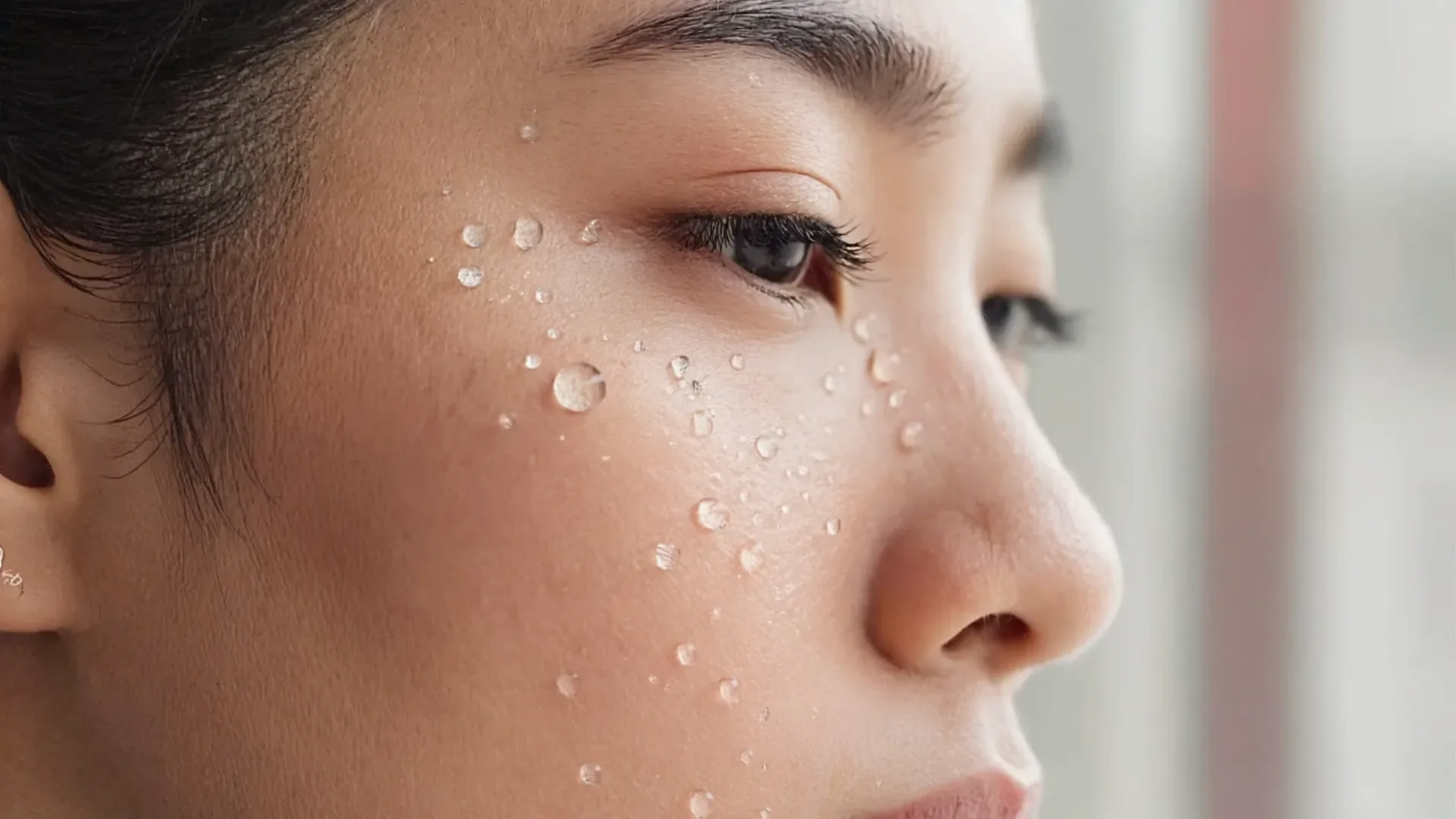
Ageing happens in layers
Here's the mental model I use with every patient. Your face ages in layers, from the surface down:
- Skin quality sits on top — hydration, tone, fine texture, that lit-from-within look.
- Collagen and repair sit just underneath — the scaffolding that keeps skin springy and resilient.
- Volume and bone sit deepest — the underlying structure that gives your face its shape.
Different layers, different tools. Once you see ageing this way, choosing between skin boosters, polynucleotides and filler stops being a popularity contest and becomes a simple question of which layer are we treating?
Skin boosters: hydration and glow (top layer)
Skin boosters work in those top layers. Profhilo is the one most people have heard of — an injectable that spreads through the skin to boost hydration and stimulate a healthier, more supple surface over time. This is the treatment for skin that looks a little flat, dry or tired but hasn't lost its structure. It's about quality and glow, not shape. If your complaint is “my skin just doesn't look fresh anymore,” this is often where we start. You can read more about how it works on our Profhilo treatment page.
The treatment isn't the starting point — your face is.
Polynucleotides: repair signals (great under the eyes)
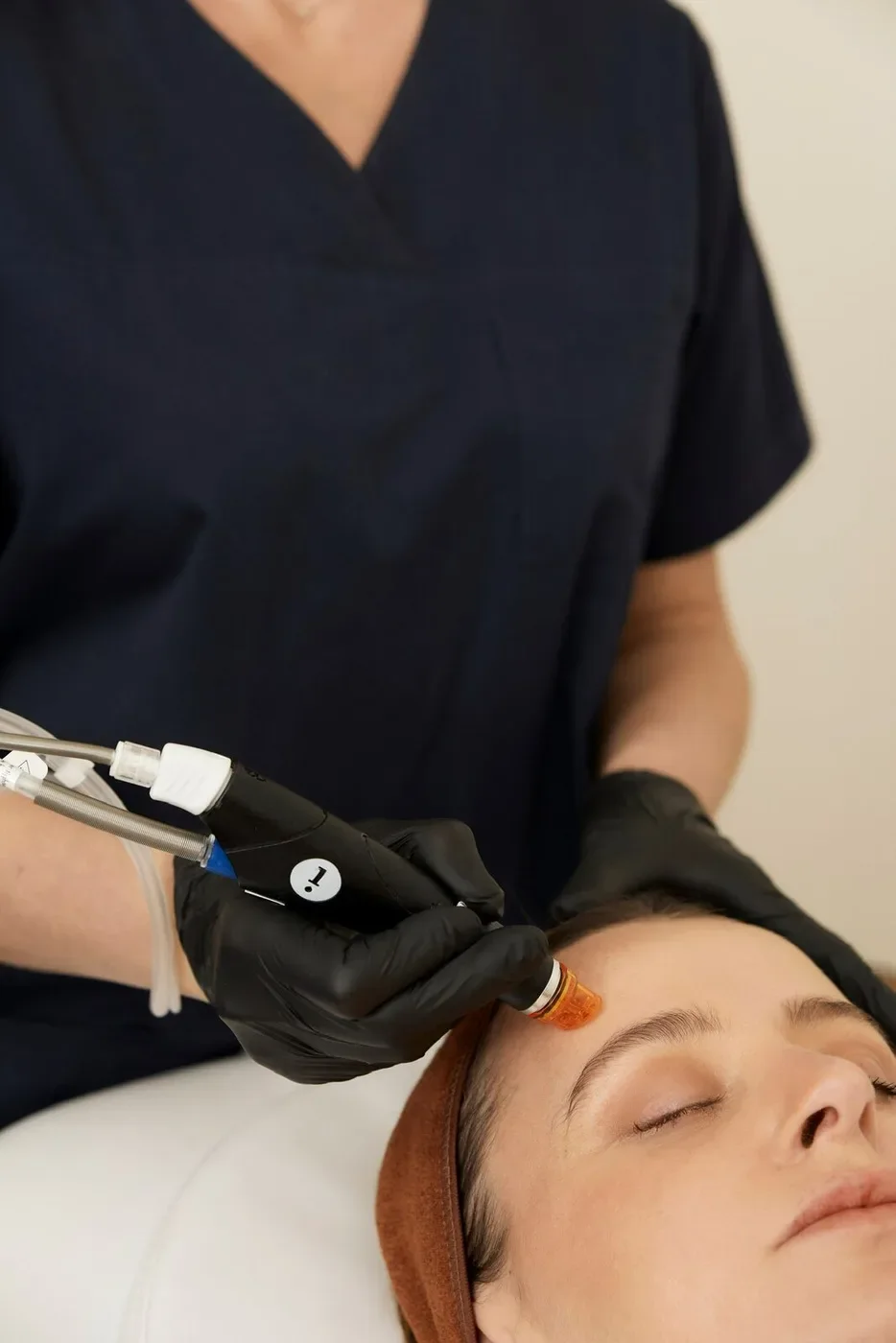
Polynucleotides are a different idea altogether. Rather than adding hydration or volume, they work on repair — they send a signal that encourages the skin to behave younger, improving quality and resilience from within. Because they're gentle and work on skin quality, polynucleotides have become a favourite for the delicate under-eye area, where the skin is thin and filler is often too heavy-handed. If crepey, tired-looking under-eyes are your concern, this is frequently the more elegant answer. There's a fuller explanation on our polynucleotides skin booster page.
Filler: replacing lost structure (deepest layer)
Filler does something the other two can't: it replaces structure. When volume has genuinely gone — in the cheeks, the temples, or the hollow of a tear trough — filler restores it. This is the deepest layer, and it's by far the most skill-dependent. Done well, it looks like nothing was done at all. Done poorly, it's the overfilled look everyone fears. For the under-eye specifically, sometimes the right answer is a carefully placed tear trough filler, and sometimes it's polynucleotides instead — which is exactly why the assessment matters.
So which do you need? Start with your face, not the treatment
Notice the pattern: the treatment isn't the starting point. Your face is. A proper assessment looks at which layer is actually driving what's bothering you, and matches the tool to the problem — sometimes one treatment, sometimes a combination over time, and sometimes the honest answer is not yet. De-selling is part of good medicine. If your skin doesn't need something, I'll tell you.
FAQ
Can I have skin boosters and polynucleotides together?
Often, yes — they work on different things, so they can complement each other. That's a plan we'd build during your consultation rather than guessing in advance.
Are polynucleotides better than filler for under-eyes?
Neither is universally “better.” It depends whether your concern is skin quality or genuine hollowing. That's precisely what an under-eye assessment is designed to work out.
How soon will I see results?
It varies from person to person and by treatment — some effects build gradually over weeks. Results vary, and no reputable clinic can guarantee an outcome.
If you're not sure which layer your face needs, that's the perfect reason to come in. We'll look properly and give you an honest plan — even if that plan is to wait.

Dr Paul is the founder of Amara Aesthetics, a doctor-led clinic in Dublin, with clinics in Warsaw and Marbella. He takes an assessment-first approach to aesthetic medicine — treating where it genuinely helps, and just as readily advising against treatment that isn’t needed. Every face is assessed individually, and results vary from person to person.
Book a consultation with Dr Paul →If one of these sounds like what you are after, I go deeper on Profhilo bioremodelling and on Sunekos and what we use instead. For the broader question of when to step away from filler altogether, read filler versus biostimulators. The full menu is on our injectable treatments page, or begin at the clinic homepage.
Consultation-first · Dublin · Warsaw · Marbella
Want my read on your face?
Start with a consultation and I’ll give you an honest, unhurried assessment — and tell you if a treatment isn’t worth it.
Start a consultation with Dr Paul →