biostimulators dublin
Why I Steer Patients Away From Filler Toward Biostimulators
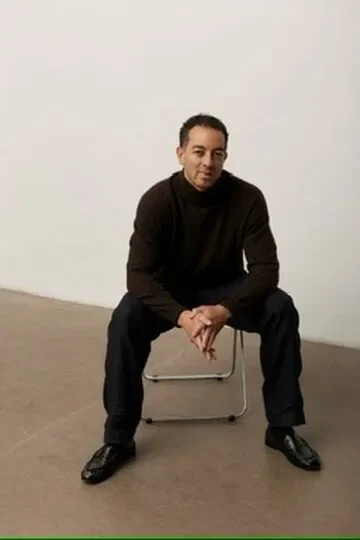

Dermal filler has had a rough couple of years. In my own clinic I'm seeing it happen in real time: more and more patients are asking me about biostimulators instead, and once I explain what the two are actually doing to your skin, it's not hard to see why.
Why so many patients are turning away from filler
Filler has genuinely earned some of its bad reputation. Used carelessly, it adds volume in places that were never meant to have it, and the result is a look that reads as "done" rather than well. That's part of why I'm seeing the shift in my own consultations: patients are less interested in adding something artificial to the face and more interested in treatments that work with their own biology instead of sitting on top of it. When someone comes in asking about filler now, it's usually the first question I ask them back — are we trying to add something that isn't there, or restore something that used to be?
What a biostimulator actually does
A biostimulator does exactly what the name suggests: it stimulates your biology. Think about what happens to your skin cells over time. They get tired. They stop being as youthful and as productive as they used to be, and they simply don't perform the way they did in your twenties. A biostimulator's job is to wake those cells back up and stimulate them back towards their former glory, rather than sitting in the tissue as an inert filler would. It's a fundamentally different mechanism to filler, which is one reason I talk patients through both options properly before we choose one — the right treatment depends on what your skin actually needs, not on what's trending.

Will anti-wrinkle injections make me look natural?
This is one of the most common questions I get asked, and I understand exactly where it comes from. Patients are terrified of ending up looking weird — we've all seen examples of that, and nobody wants to be one of them. Here's the honest answer: if you do nothing, you will look natural. That's not in question. The actual goal of anti-wrinkle injections isn't just "natural" on its own — it's to look better while still looking like yourself. Those two things have to happen together, and getting that balance right is really the whole skill of doing this well. It's also why I'd rather under-treat a first-time patient and adjust later than go too far on day one.
Turning movement down, not off
A lot of us are hypermobile in the face — we move it more than we need to. And when you move your face too much for years on end, you end up with wrinkles. The problem is those wrinkles don't just disappear the moment you stop moving your face. Over time, they stay. They become resting lines, etched in even when your face is completely still.
So the aim was never to eradicate movement from the face entirely. It's to tune it down to a more normal level, so that when you stop moving your face, the lines aren't retained. In practice that means you don't carry the emotional impact of those lines around with you all day: you don't look angry when you're not angry, you don't look worried when you're not worried, and you don't have smile lines showing when you're not smiling. That's what natural actually means in my consultations — a face that still moves and still expresses, just without dragging yesterday's expressions into today.
Common questions
Is a biostimulator a replacement for filler?
They work differently rather than doing the same job. Filler adds volume; a biostimulator works on stimulating your own cells to perform better. Which one — or whether a combination makes sense — depends on what's actually going on in your skin, which is exactly what a proper consultation is for.
How do I know if I'm "hypermobile" in the face?
If you notice lines on your forehead, between your brows or around your eyes that are visible even when your face is completely relaxed, that's usually a sign that movement has been high enough for long enough to leave a resting line. It's very common, and it's exactly the pattern anti-wrinkle injections are designed to soften.
Will I still be able to show expression after treatment?
Yes — that's the point. The goal in my clinic is never to stop the face moving, it's to bring an overactive pattern back down to a normal level so the movement doesn't set into permanent lines.
Related at Amara
About Dr Paul
 I'm Dr Paul Munsanje — a medical doctor with over 17 years in aesthetic medicine, running a doctor-led clinic across Dublin, Warsaw and Marbella. My work is built on facial anatomy, precision and restraint: treating where it genuinely helps, and just as readily talking you out of what you don't need. This journal is where I write down honestly what I tell my patients.
Consultation-first · Dublin · Warsaw · Marbella
Want my read on your face?
Start with a consultation and I’ll give you an honest, unhurried assessment — and tell you if a treatment isn’t worth it.
Start a consultation with Dr Paul →