profhilo bioremodelling
Profhilo bioremodelling: hydration and glow explained


If anti-wrinkle injections are my answer for the upper face, Profhilo bioremodelling is what I reach for almost everywhere else — the lower face, the neck, the chest, anywhere skin has started to look crepey, tired or simply thirsty.
What Profhilo is, and where it works
Profhilo is probably our second most popular treatment after anti-wrinkle injections, and the two do genuinely different jobs. Anti-wrinkle injections generally treat the upper half of the face — the lines that come from muscle movement. Profhilo isn't about movement at all. It's a bioremodelling treatment that hydrates and gives glow to skin that's lost its bounce, and it isn't limited to the face.
In my clinic I use it on:
- The lower face, where skin can look dull or lack definition
- The neck, which is often the first place dehydration and crepiness show — and where skin quality is only one of three separate causes of a neck that looks older than the face above it
- The chest, an area patients frequently forget to treat at all
- Any part of the body with crepey, wrinkly or dehydrated skin
How bioremodelling actually works
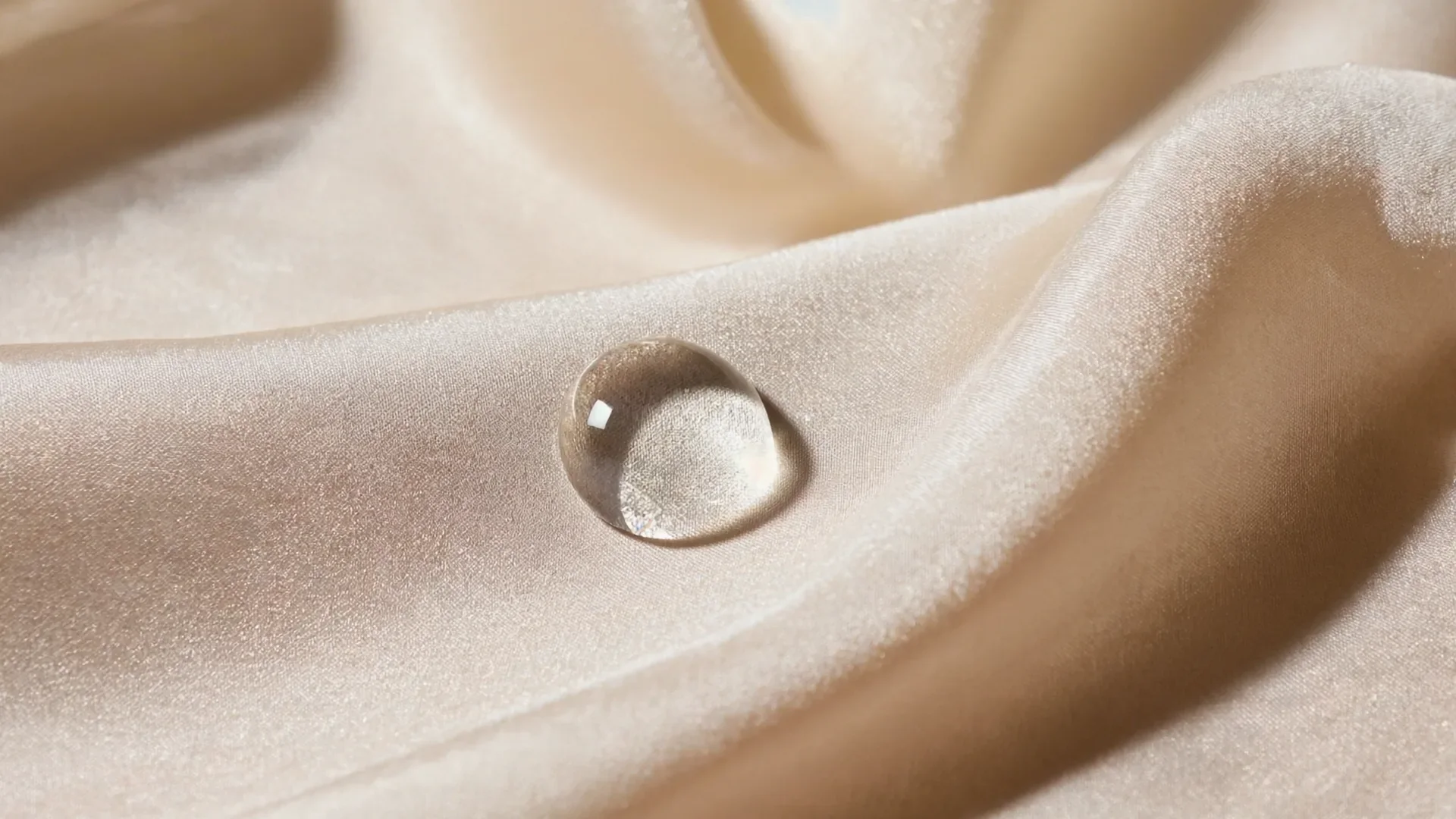
Profhilo is injected very superficially — into the very top layers of your skin, not the deeper structural planes I'd target with a filler. From there, over the course of a few days, it spreads out across the whole surface of the skin. As it spreads, it attracts water and holds onto it, hydrating the skin from within. That's what gives you the glow patients notice — it's genuinely a hydration effect, not a volumising one.
The treatment plan: two sessions, one month apart
I always start patients on a pair of treatments, spaced one month apart. That initial course is what builds the result — a single session on its own doesn't give the same effect, because it's the repeated stimulation of the skin's own hydration response that does the work.
After that first pair, maintenance is far less frequent. Most patients come back every three to six months, and some patients only need it once a year to keep the effect ticking over. It's one of the lower-maintenance treatments I offer once that initial groundwork is in place.
Downtime and comfort — what to actually expect
The downtime after Profhilo is pretty minor, similar to anti-wrinkle injections. You will have some small bumps at the injection points immediately afterwards, but those subside within usually a couple of hours, so it's not something that keeps you out of circulation. The chance of bruising is low, and if you do get a bruise, it's typically easy to cover with makeup.
Because the injections are superficial and the product stretches the skin as it's placed, patients can feel a burning sensation for a few minutes afterwards. That's a genuine, if brief, discomfort — so we use a freezing gun to numb the skin beforehand, which takes that sensation away almost entirely. It's a small addition to the appointment that makes a real difference to comfort.
Common questions
Is Profhilo the same as a filler?No. Fillers are placed to add volume or structure in specific areas. Profhilo is injected superficially and spreads across the skin's surface to hydrate it — the mechanism and the result are different, even though both are injectable treatments.
Why do I need two treatments to start?The initial pair, one month apart, is what establishes the hydration effect properly. After that, the results are maintained with much less frequent top-ups — anywhere from every three to six months, down to once a year for some patients.
Will it hurt?You may feel a brief burning sensation as the superficial injections stretch the skin, but we numb the area with a freezing gun beforehand, so most patients find it very manageable. Any bumps settle within a couple of hours, and bruising, if it happens, is usually easy to cover with makeup.
Related at Amara
About Dr Paul
 I'm Dr Paul Munsanje — a medical doctor with over 17 years in aesthetic medicine, running a doctor-led clinic across Dublin, Warsaw and Marbella. My work is built on facial anatomy, precision and restraint: treating where it genuinely helps, and just as readily talking you out of what you don't need. This journal is where I write down honestly what I tell my patients.
Consultation-first · Dublin · Warsaw · Marbella
Want my read on your face?
Start with a consultation and I’ll give you an honest, unhurried assessment — and tell you if a treatment isn’t worth it.
Start a consultation with Dr Paul →