Hydrafacial in Dublin: what to expect at your first visit

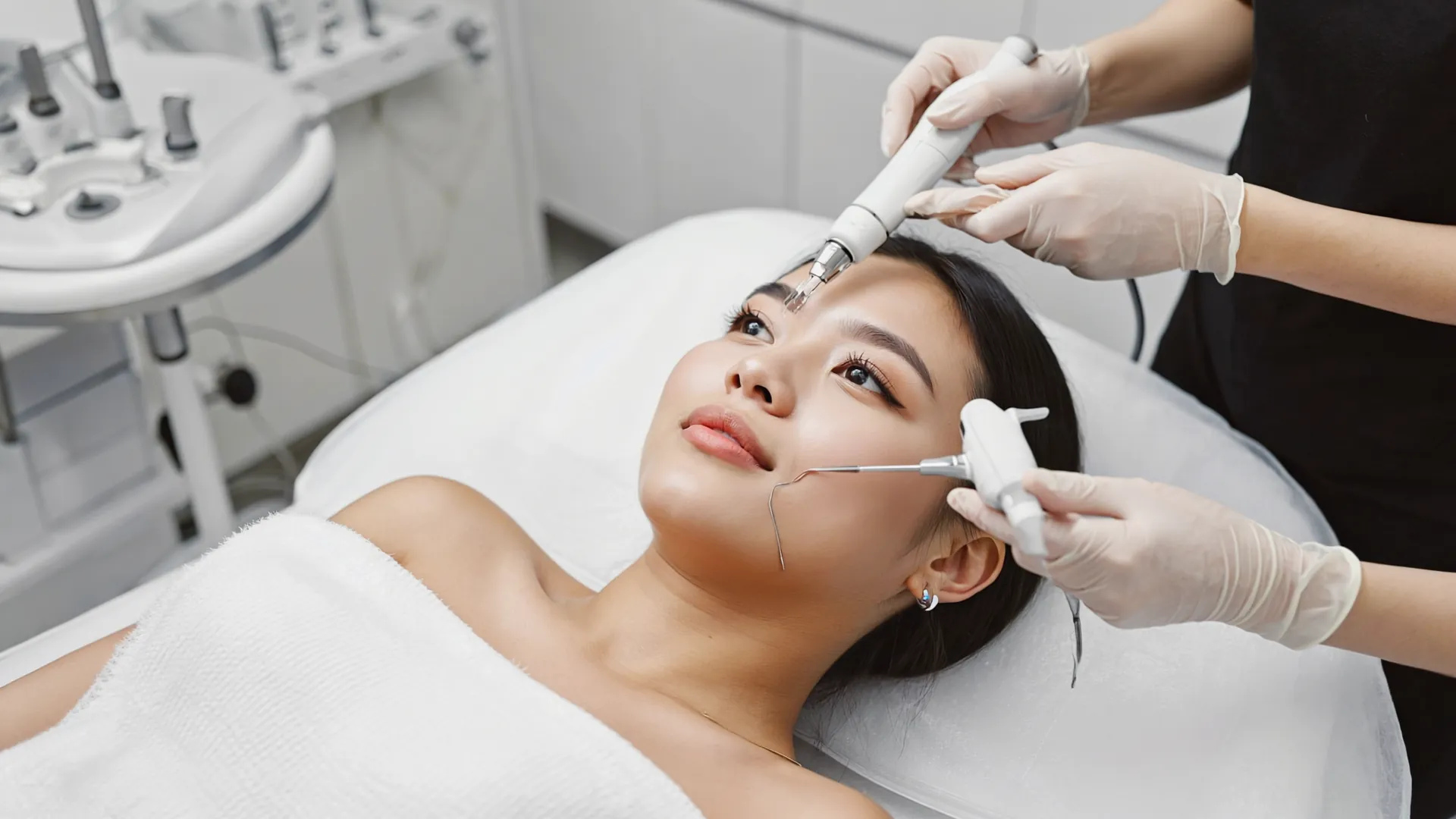
Hydrafacial in Dublin is one of the most-booked treatments at our clinic, and yet many people arrive not quite sure what they've booked. Some expect an hour of pleasant nothing; others expect their acne scarring to be gone by lunch. It's neither, and it's worth setting out plainly what this treatment does, what it doesn't, and what your money buys at each of its three tiers.
What a Hydrafacial actually is
The device is a handpiece that cleanses, exfoliates, extracts and hydrates in one pass, using what the manufacturer calls Vortex-Fusion technology — a patented handpiece tip that draws impurities out of the pores while pushing active serums in. In sequence: cleanse, peel, extract, hydrate, infuse, protect. The serums are the point of the last two steps — hyaluronic acid, antioxidants and nutrients delivered into freshly cleaned skin rather than smeared over it.
Two things I always say at this point in the explanation. First, nothing is injected and nothing is broken — the treatment works at the surface of the skin, which is why there's no downtime. Second, that surface-level reach is exactly what makes it brilliant at some things and the wrong tool for others. More on that below, because it's the difference between a satisfied patient and a disappointed one.
The three Hydrafacial tiers at Amara, and what each is for
There are three versions on our menu, and the differences are practical rather than marketing:
- Signature Hydrafacial — from €140, 40 minutes. The core treatment: cleanse, peel, extract, hydrate, infuse, protect. This is the right starting point for almost everyone having a first Hydrafacial.
- Hydrafacial Dermalux — €169, one hour. The same treatment with LED light therapy added.
- Hydrafacial Platinum — €280, 75 minutes. Our most complete version — the longest appointment, adding a choice of skin booster suited to what your skin actually needs on the day.
There's also a shorter 30-minute pre-injectable Hydrafacial that exists to prepare skin before injectable appointments — it's arranged as part of that appointment's plan rather than as a menu item on its own. If you're unsure which tier fits, the consultation settles it quickly; you should never have to guess your way to the right treatment.
What your first appointment is like
Your first visit runs about 90 minutes, because it starts with a VISIA skin scan — a proper imaging analysis of your skin, which is included free with the first session — followed by a consultation about what the scan shows and what, if anything, we'd recommend changing. Only then does the treatment itself begin.
The sensation is the question everyone asks and the answer is anticlimactic: it feels like a cool vacuum gently moving over your face. Hydrafacials are rarely reported as uncomfortable, numbing is rarely needed, there's no recovery, and no reason you can't go straight back to your day — it's a genuine lunchtime treatment. Your skin will look flushed-bright immediately afterwards, in the way skin does after it's been thoroughly cleaned and hydrated, and that's the glow people book the treatment for.
What results to realistically expect
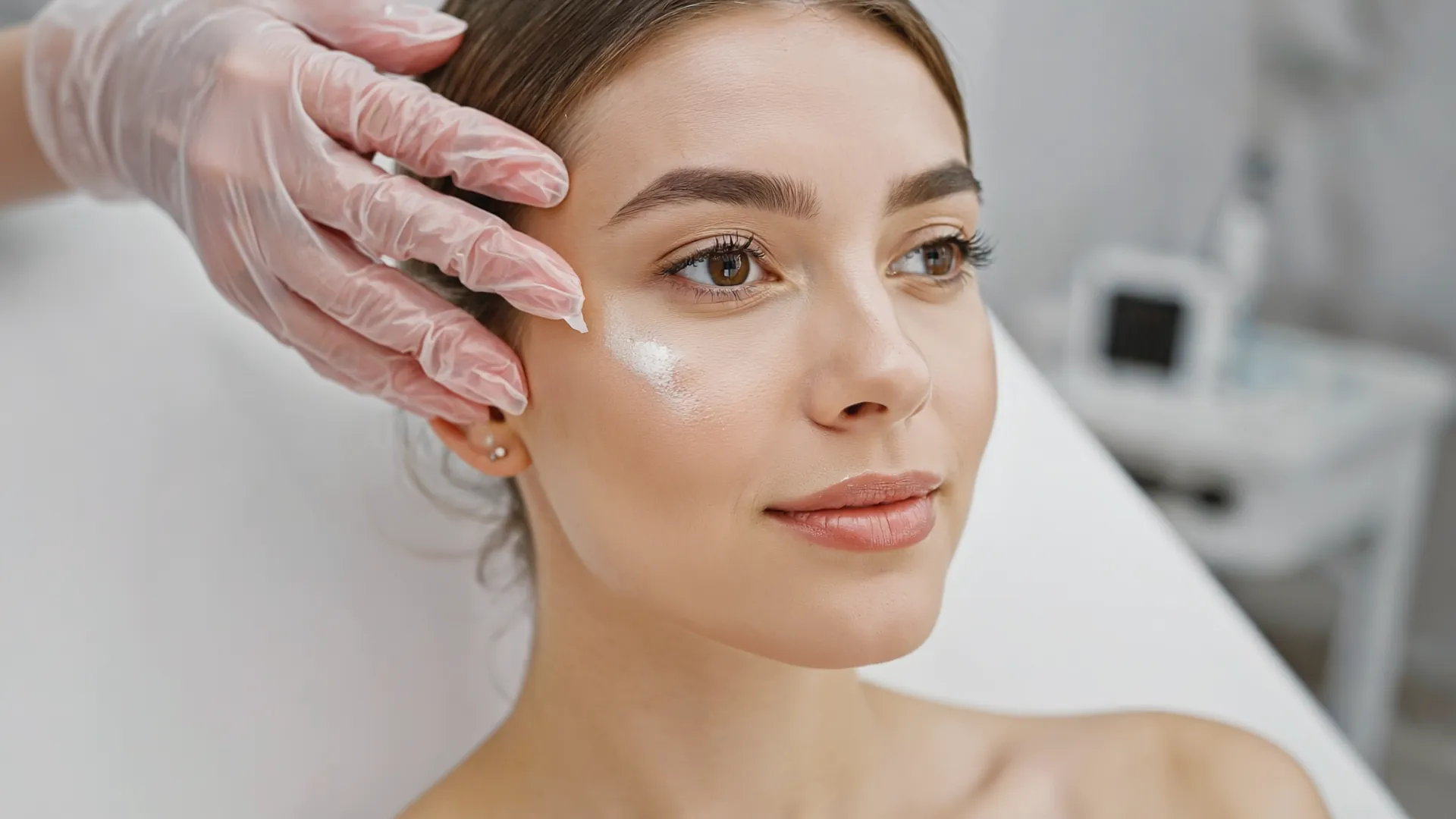
Here's the honest timeline I give patients. Most people see a visible improvement the same day — brighter, clearer, decongested skin. That super-glow typically lasts about a week. The softer, structural benefits — better hydration, calmer congestion, a generally healthier-looking surface — build over the following four to eight weeks with a course, and for most people the effects of treatment last somewhere in the region of ten to twelve weeks before skin drifts back to where it was.
- Immediate: cleaner, brighter, visibly hydrated skin — usually from the first session
- Best glow: in the first week after treatment
- Works best as a course of 3–6 sessions, spaced a few weeks apart
- Effects typically last 10–12 weeks, which is why most patients move to a maintenance rhythm
- Results vary from person to person — your skin, your lifestyle and your starting point all matter
What a Hydrafacial can't do
This is the section I'd urge you to read even if you skim the rest. A Hydrafacial is a surface treatment, and some concerns live deeper than the surface. If your issue is texture, acne scarring or skin that's starting to slacken, the tool for that is microneedling — it remodels the skin from within, over a course of sessions. If it's pigmentation, redness or thread veins, you're looking at IPL rather than any facial. And if the skin's overall quality and hydration is the concern rather than congestion, treatments like Profhilo work from underneath the surface.
None of that is a pitch for something more expensive — plenty of patients book a Hydrafacial, love it, and rightly stop there. It's simply that the happiest patients are the ones whose expectations were right at the start, and the VISIA scan at your first appointment exists precisely so we can tell you honestly which camp you're in. If your skin needs something other than what you came in for, you'll hear that from us directly.
How often to have one
There's no rigid rule, and I won't invent one to sell you a package. The framing I use: a single Hydrafacial is an event treatment — before a wedding, a holiday, a big week. A course of three to six, spaced a few weeks apart, is where the lasting improvement in congestion and hydration happens. After that, most patients settle into a maintenance rhythm of roughly every ten to twelve weeks, which matches how long the skin holds the benefit. We'll recommend a plan based on your skin rather than a package based on our targets — and if that plan is 'come back when you feel like it', that's a legitimate answer too.
Common questions
Is a Hydrafacial just a facial with a machine?
The handpiece does something hands can't: it extracts congestion — blackheads, sebum, the debris sitting in pores — mechanically and gently, while infusing serums into skin that's just been cleaned. It's repeatable and controlled in a way a manual facial isn't, which is why results tend to be consistent visit to visit.
Does it hurt?
Almost never. It's a cool, wet, suction-and-serum sensation that most patients find genuinely relaxing. If anything feels uncomfortable, the settings can be adjusted on the spot.
Can I wear makeup afterwards?
You can, though I'd give the skin the evening off if you can — freshly cleaned, hydrated skin absorbs your night skincare better than any makeup emergency warrants. Most people find they want less makeup the next day, not more.
Who performs the treatment?
Amara is a doctor-led clinic and the Hydrafacial is performed by our trained skin team within that setting, with your first session preceded by a consultation and skin scan.
How much does a Hydrafacial cost in Dublin?
At Amara: Signature from €140, Dermalux €169, Platinum €280, with the first session including a free VISIA skin scan and consultation. When comparing prices around Dublin, compare what's included — the scan, the consultation and the treatment time are all part of what you're paying for here.
Where to start
If your skin is congested, dull or dehydrated and you want it handled properly, book the Signature and let the skin scan do the talking. If you're honestly not sure whether a Hydrafacial is the right treatment for your skin — or whether you need something that works deeper — start with our skin consultation quiz and we'll point you at the right treatment, even if it isn't this one.
Related at Amara
- Microneedling in Dublin: what it actually does for your skin
- Profhilo bioremodelling: hydration and glow explained
- Skin Boosters vs Polynucleotides vs Filler
- Acne treatment in Dublin
About Dr Paul
 I'm Dr Paul Munsanje — a medical doctor with over 17 years in aesthetic medicine, running a doctor-led clinic across Dublin, Warsaw and Marbella. My work is built on facial anatomy, precision and restraint: treating where it genuinely helps, and just as readily talking you out of what you don't need. This journal is where I write down honestly what I tell my patients.
Skin health · Doctor-led clinic · Dublin
Want a skin plan that actually fits?
Book a skin consultation with our therapist for a proper skin assessment and a plan built around your skin — no pressure, no upselling.
Book a skin consultation →