cosmetic treatments dublin
Why cosmetic treatments aren't just about looking younger
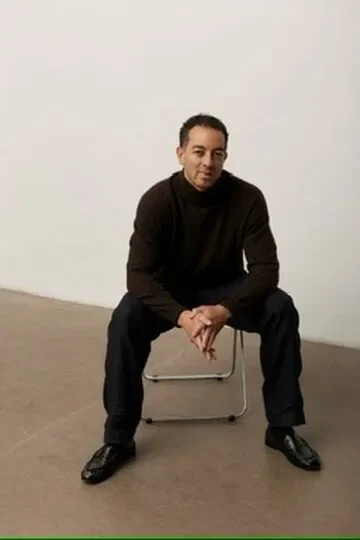
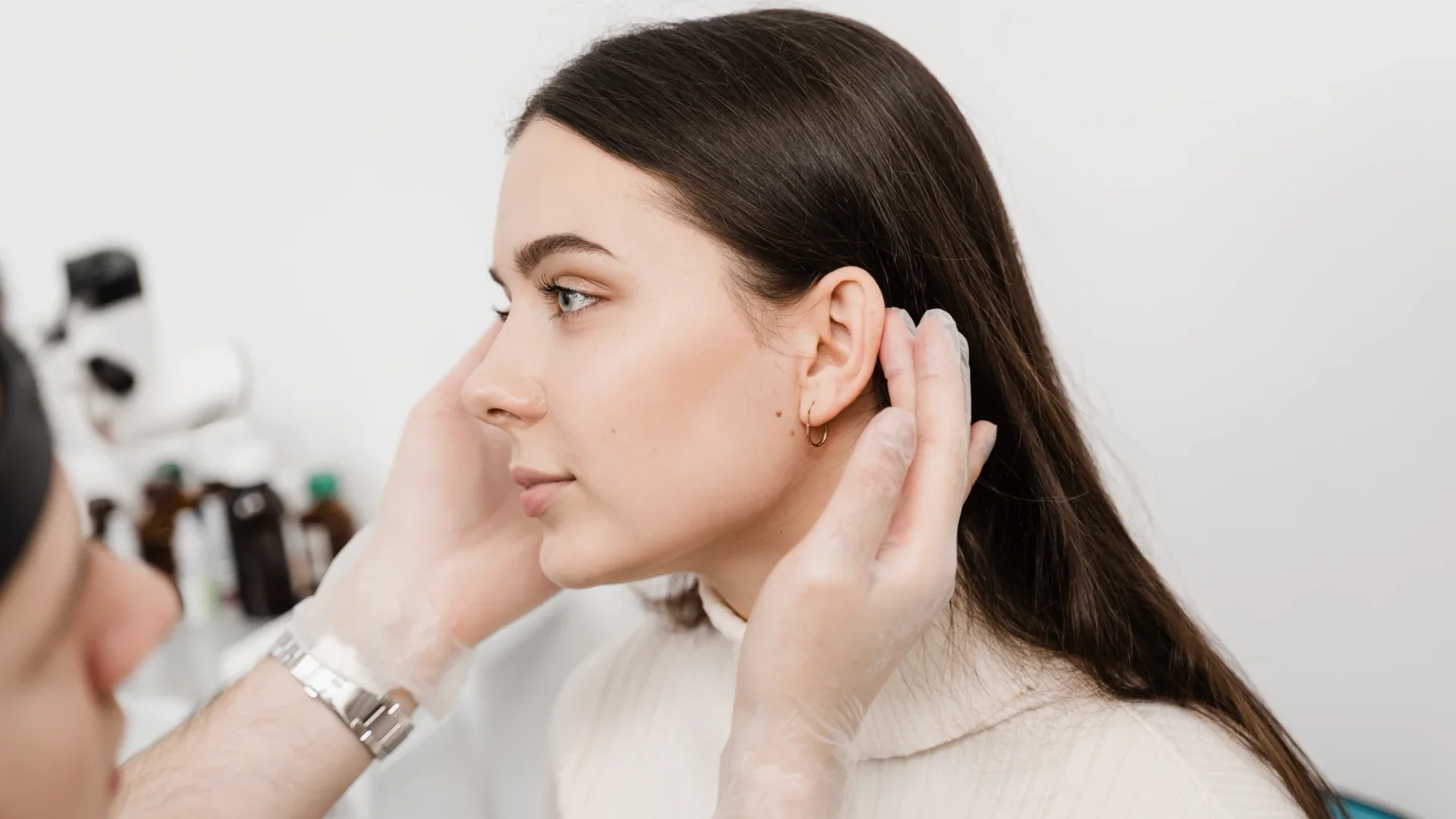
A lot of the women who come to see me aren't especially interested in cosmetic treatments — and the main reason is that they don't want to look younger. I think that's a perfectly reasonable position. Many of them already look young for their age. But it also rests on an assumption I want to gently correct: looking young is not what cosmetic treatments are actually for.
Attractiveness isn't a single dial
In my clinic I explain it like this: attractiveness has three separate dimensions, not one. There's youth — how young your face looks, and the natural progression that gradually changes that. There's health — the sense that your skin and features look as well as they possibly can. And there's beauty — proportion, balance and harmony, where no single feature pulls attention away from the others. Most people, understandably, hear "cosmetic treatment" and think only of the first dimension. That's a narrow and, for a lot of women, unappealing way to think about it.
Once you separate the three out, the picture changes:
- Youth — the natural signs of facial ageing, and how much or little you want to address them.
- Health — dark circles, skin texture and tone, and whether your skin has a genuine glow.
- Beauty — the proportions and balance of your face, so that everything sits in harmony rather than one feature dominating.

Health: the glow, not the years
Health is often the dimension that gets overlooked, because it isn't about age at all. It's about whether you have dark circles under your eyes, whether your skin quality is good, and whether your skin has that healthy shine and glow rather than looking dull or tired. A patient in her fifties can have genuinely healthy-looking skin; a patient in her twenties can look drained and dull. This dimension has almost nothing to do with turning back the clock — it's about your face looking as well as it possibly can, at whatever age you are.
Beauty: proportion and balance
The third dimension is beauty in the classical sense — proportion and harmony. This is where your features are well balanced against each other, nothing sticks out more than it should, and the face reads as optimal rather than lopsided or dominated by one area. Nobody I see is perfect, and I don't expect anyone to be. But almost everyone can benefit from a bit of a boost here — a subtle refinement that brings things into better balance, rather than a dramatic change aimed at erasing years.
What this actually means in consultation
When a patient tells me she isn't interested in looking younger, that's not the end of the conversation — it's usually the start of a better one. I ask what's actually bothering her, if anything. Sometimes it's tiredness around the eyes that reads as ill health rather than age. Sometimes it's a slight imbalance in proportion that's been quietly nagging at her in photos. Occasionally, having listened properly, my honest answer is that she doesn't need anything at all, and I'll say so. When something is worth doing, it might be muscle-relaxing injections for a specific concern, a course to improve skin quality and glow, or a very light touch of dermal filler — I use Juvederm for this — to restore balance rather than volume for its own sake. The point isn't to chase youth. It's to work out which of the three dimensions, if any, is worth attention.
Common questions
If I already look young for my age, is there anything worth doing?
Quite possibly, yes — but not because of your age. Health and beauty are independent of how young you look. You might have excellent youthful skin but still have dark circles affecting how rested you look, or a proportion issue that's separate from ageing altogether. It's worth a proper consultation rather than assuming there's nothing to discuss.
Does this mean anti-wrinkle injections are only about looking younger?
No. They're one tool among several, and I use them for specific concerns as they arise — they're not a default "anti-ageing" treatment I reach for automatically. Which dimension we're addressing, and whether it's worth addressing at all, comes first.
How do you decide what a patient actually needs?
By listening before recommending anything. I ask what's bothering her, look at which of the three dimensions — youth, health, beauty — is actually in play, and I'm just as ready to say a treatment isn't needed as I am to suggest one.
Related at Amara
About Dr Paul
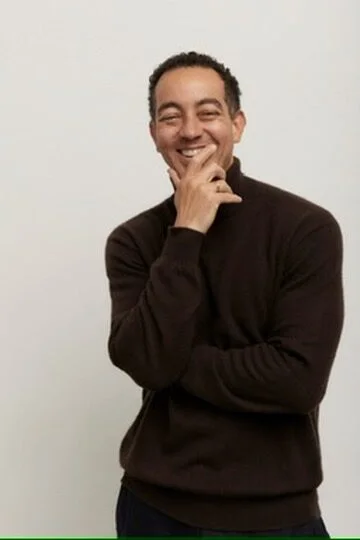 I'm Dr Paul Munsanje — a medical doctor with over 17 years in aesthetic medicine, running a doctor-led clinic across Dublin, Warsaw and Marbella. My work is built on facial anatomy, precision and restraint: treating where it genuinely helps, and just as readily talking you out of what you don't need. This journal is where I write down honestly what I tell my patients.
Consultation-first · Dublin · Warsaw · Marbella
Want my read on your face?
Start with a consultation and I’ll give you an honest, unhurried assessment — and tell you if a treatment isn’t worth it.
Start a consultation with Dr Paul →