what makes you look your best
What actually makes you look your best: youth, balance, health
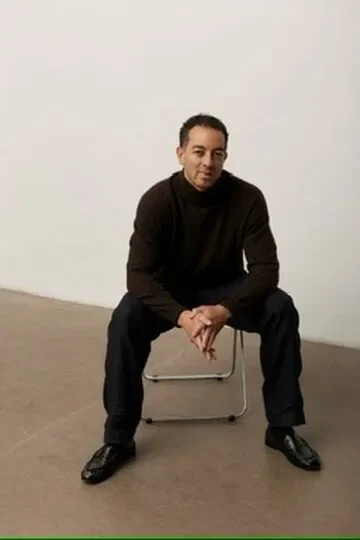
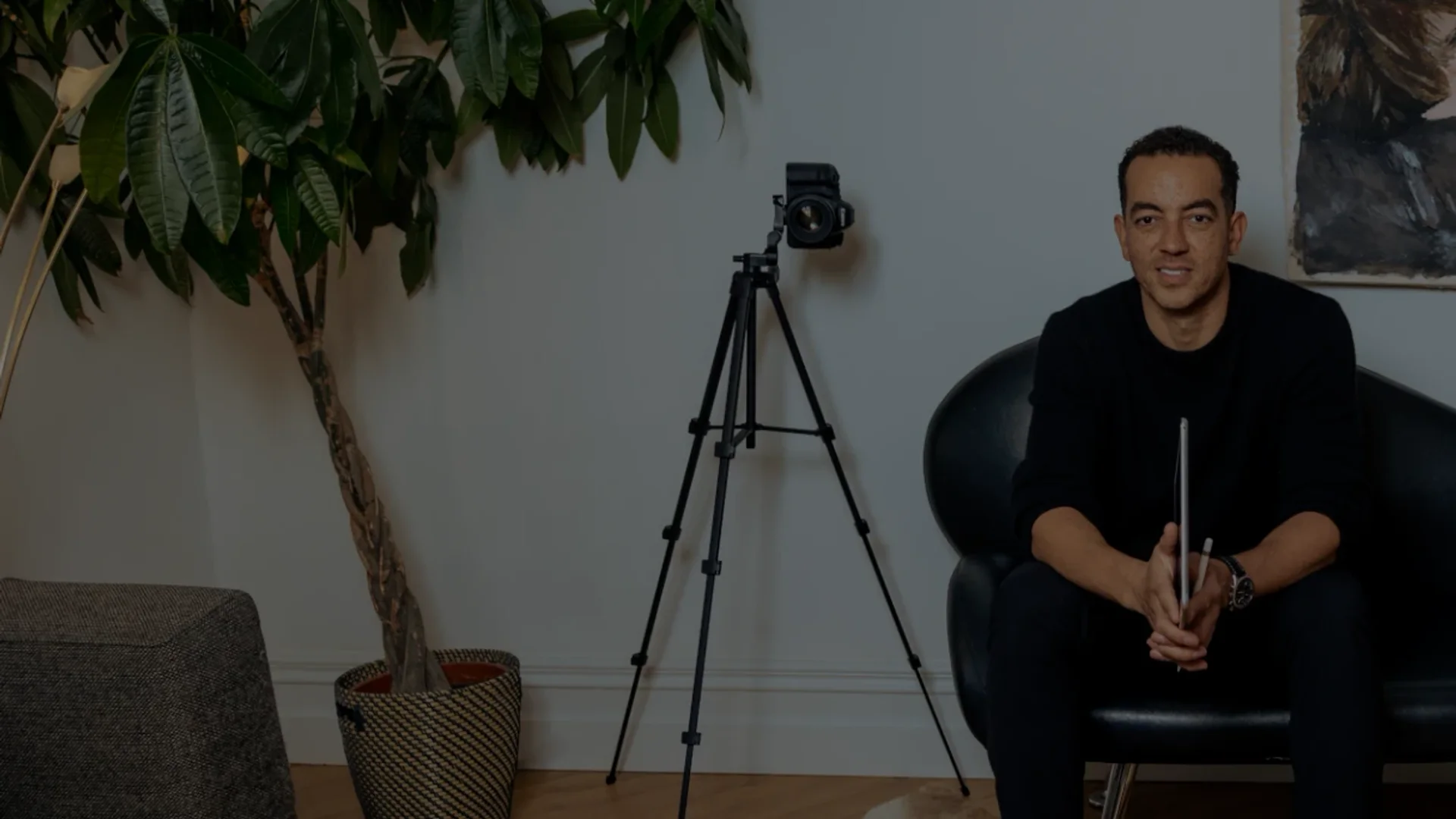
Patients ask me this all the time, usually without quite putting it into words: what does it actually mean to look your best? Most people assume it's one thing — fewer lines, plumper cheeks, whatever the trend of the month is. In my experience it's never one thing. There are three separate ingredients, and looking your best means all three are working together.
The first pillar: youth
The first is simply how youthful you look. This one is fairly intuitive — as we get older, generally speaking, we look worse. Skin loses structure, volume shifts, lines settle in. So looking more youthful, for most people, usually means looking better. It's the pillar patients think about first, and it's real, but on its own it's incomplete.
The second pillar: attractiveness
The second is attractiveness, and this is the one people underestimate. You can be attractive at twenty and you can be attractive at seventy. It isn't really about age at all — it's about balance, harmony and proportion in the face. A face where the features sit in the right relationship to each other reads as attractive regardless of how many years are on the clock. This is why chasing youth alone can miss the mark: you can soften every line on someone's face and still not have addressed what actually makes them look their best, because the proportions were never the problem, or they were the problem and nobody looked at them.

The third pillar: health
The third is how healthy you look. I think of the face the same way I think of any other organ in the body — it has its own markers of health. A lot of spots, a lot of breakouts, visible pigmentation: these are signs of a face that's less healthy-looking, and that reads as not looking your best, quite separately from age or proportion. You can have a youthful, well-balanced face that still isn't performing at its best because the skin itself isn't healthy.
Why a consultation has to map all three
This is why, when a patient sits down with me for a consultation, I'm not just looking for "what's aged" or "what's uneven." I'm mentally running through all three pillars at once:
- Youth — where has volume or structure changed, and is restoring it going to genuinely help this face?
- Attractiveness — is there a balance, harmony or proportion issue that treatment could address, independent of age?
- Health — are there skin markers like pigmentation, breakouts or texture that are undermining how healthy the face looks?
Sometimes a patient comes in convinced they need to "fix the ageing" when the actual issue sitting in front of me is a proportion imbalance, or a skin-health problem that's been there since their twenties. Other times someone with genuinely excellent proportion and healthy skin is chasing youth for its own sake, and my job is to tell them honestly what will and won't move the needle. That's the value of doing this properly — not defaulting to whichever treatment is fashionable, but working out which of the three pillars actually needs attention in this particular face, and treating that.
Common questions
Do I need to address all three pillars at once?No. Most patients are strong in one or two areas already. The point of a consultation is to work out which pillar, if any, is actually holding your appearance back, rather than treating all three by default.
Which pillar matters most?It depends entirely on the individual face. Youth matters more for some patients, proportion for others, skin health for others again. That's exactly why this isn't a one-size-fits-all conversation — it has to be assessed face by face.
Can skin health really change how attractive someone looks, separate from ageing?Yes. Pigmentation, breakouts and uneven texture are health markers, not age markers — I see them in younger and older patients alike, and addressing them changes how healthy and well someone looks regardless of how youthful or balanced their face already is.
Related at Amara
About Dr Paul
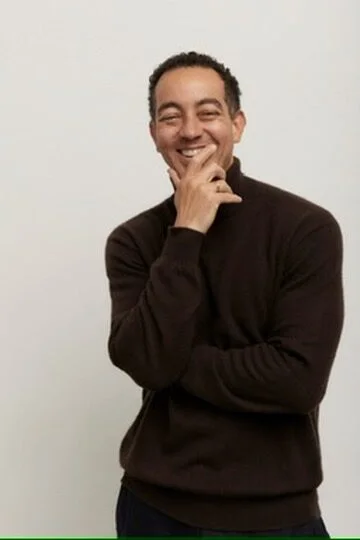 I'm Dr Paul Munsanje — a medical doctor with over 17 years in aesthetic medicine, running a doctor-led clinic across Dublin, Warsaw and Marbella. My work is built on facial anatomy, precision and restraint: treating where it genuinely helps, and just as readily talking you out of what you don't need. This journal is where I write down honestly what I tell my patients.
Consultation-first · Dublin · Warsaw · Marbella
Want my read on your face?
Start with a consultation and I’ll give you an honest, unhurried assessment — and tell you if a treatment isn’t worth it.
Start a consultation with Dr Paul →