is dermal filler safe
Is Dermal Filler Safe? A Doctor on Real Filler Safety
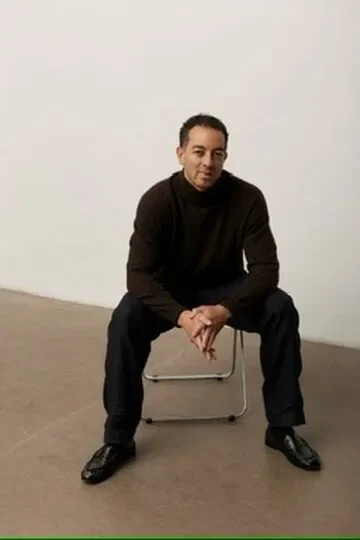
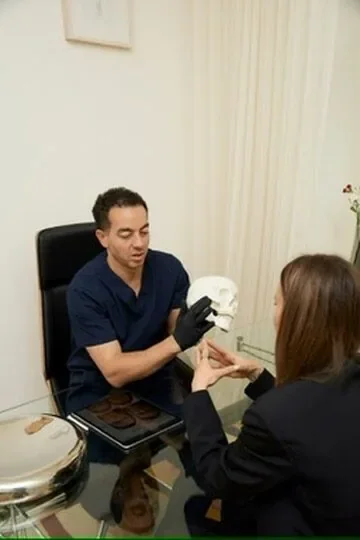
There's one moment every honest injector trains for and quietly hopes never comes. It's not the glamorous part of the job. It's the part where something has started to go wrong, and what happens in the next few minutes matters more than anything on the price list.
People ask me all the time: is dermal filler safe? The honest answer is that filler is a well-understood treatment with a strong track record — and, like any medical procedure, it carries real risks. What actually keeps it safe isn't luck or a steady hand alone. It's the training and the protocol behind the person holding the needle. So let me show you what that looks like from the inside.
The one moment every injector trains for
Most filler appointments are calm and uneventful, and that's exactly how it should be. But behind that calm sits a huge amount of preparation for the rare moment when things don't go to plan. A good injector isn't just trained to make you look well. They're trained for the day something starts to go wrong — and to recognise it early, before it becomes a problem.
That's the difference that never shows up in a photo. Anyone can learn to place product. The real skill is knowing what you'd do if the unexpected happened, and having done it — in training, again and again — long before it ever happens in the room.
The check that happens before anything goes in
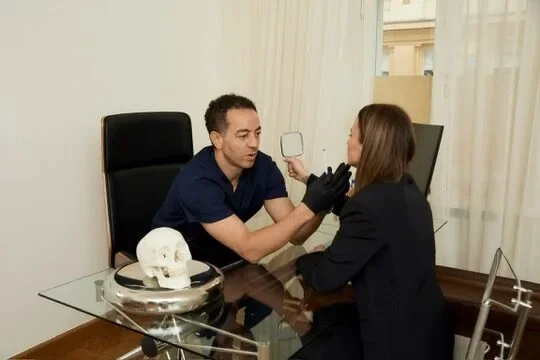
Here's something most people never see. During a filler treatment, before I inject, I do a small check: I draw back gently on the syringe. It's called aspiration, or the pull-back check. If a little blood flashes back into the syringe, that tells me the needle tip is sitting inside a blood vessel — exactly where filler must not go.
If that happens, nothing goes in. I reposition and check again. It takes seconds, it's undramatic, and it's one of the quiet habits that separates careful, considered injecting from rushing through a list of appointments. You can read more about how we approach dermal filler and why the assessment matters as much as the treatment itself.
The real risk with filler
So what is the actual danger everyone's worried about? It's this: filler being injected into a blood vessel and blocking it. The medical name is vascular occlusion. When a vessel is blocked, the tissue it supplies can be starved of blood, and that's what leads to the serious complications you occasionally read about. This is the risk sitting behind the horror stories — not the filler itself, but filler in the wrong place. Some areas carry more of that risk than others, and the nose carries the most of all, which is why I set out what nose filler can and cannot do before anyone books it.
I want to be clear and honest here: complications are uncommon, but no one can promise they never happen — not at Amara, not anywhere. Any doctor who tells you a procedure is completely risk-free isn't being straight with you. What we can do is minimise the risk with proper assessment and technique, and be genuinely ready to act if it ever occurs.
Don't ask how cheap it is. Ask who's holding the needle if something goes wrong.

The answer isn't panic — it's protocol
If a vessel is ever suspected, the response is not drama. It's a sequence I've rehearsed until it's boring: stop injecting, take the needle out, and manage the area properly. That includes flushing the area to dissolve the filler if there's any suspicion it's gone where it shouldn't. The whole point of rehearsing it so many times is that, in the moment, I'm not thinking — I'm just doing what training has already made automatic.
That's what good protocol looks like. Boring, calm and practised. It should never feel like an emergency being figured out on the spot.
The prescription nobody mentions
Here's the nuance that almost nobody explains, and it matters enormously. In much of Europe, dermal filler itself isn't a prescription product. But the medicine used to dissolve filler — the very thing you'd need if a vessel were blocked — is a prescription-only medicine.
Read that again, because it's the whole game. Someone being able to inject filler into your face does not mean they can undo it if something goes wrong. If they can't legally hold or prescribe the medicine that reverses it, then in the worst-case moment, they can't help you. In a doctor-led clinic, that gap simply doesn't exist. If you want to understand the reversal side properly, we've written about dissolving dermal filler in detail.
The one question worth asking your injector
So when you're choosing where to go, I'd gently suggest the question isn't "how cheap can I get this?" The question is: who is holding the needle, and what happens if something goes wrong? In a doctor-led clinic, the answer is simple — the person treating you can also manage a complication and access the medicine to reverse it.
- Ask about the pull-back check — a careful injector will happily explain how they avoid injecting into a vessel.
- Ask who manages a complication — and whether the prescription medicine to dissolve filler is available on site.
- Ask about assessment — every face is different, and every treatment should be assessed individually before anything is agreed.
A short FAQ
Is dermal filler safe?
Dermal filler is a well-established treatment with a strong safety record when it's done properly, but it isn't risk-free. Safety comes from careful assessment, good technique such as the pull-back check, and having someone able to manage a complication. Results and risks vary from person to person.
What is vascular occlusion?
It's when filler blocks a blood vessel, so the tissue that vessel supplies doesn't get its normal blood flow. It's uncommon, but it's the serious complication that proper technique aims to avoid and protocol aims to manage quickly.
Can dermal filler be dissolved?
Yes — certain fillers can be dissolved using a prescription medicine. Because it's prescription-only, it's important your injector can access it. We explain the process on our dissolving filler page.
Does lip filler carry the same risks?
The same principles apply to any area, including lips. You can read our guide to lip filler in Dublin for more on what to expect.
None of this is meant to frighten you — quite the opposite. Filler done well, by the right hands, is a lovely, subtle treatment. I just believe you deserve to know what "done well" actually means. Results and risks vary from person to person, and every treatment at Amara is assessed individually before we go ahead. If you'd like to talk it through with no pressure, book a consultation and we'll answer every question you have.

Dr Paul is the founder of Amara Aesthetics, a doctor-led clinic in Dublin, with clinics in Warsaw and Marbella. He takes an assessment-first approach to aesthetic medicine — treating where it genuinely helps, and just as readily advising against treatment that isn’t needed. Every face is assessed individually, and results vary from person to person.
Book a consultation with Dr Paul →Safety and price are the same conversation more often than people expect — why cheap dermal filler is a false economy covers what gets cut to reach a low price. For two of the problems I correct most often, see what lip filler migration really is and the under-eye guide. Everything we offer is listed on our filler treatments page, and the clinic homepage is the place to start if you are still deciding.
Consultation-first · Dublin · Warsaw · Marbella
Want my read on your face?
Start with a consultation and I’ll give you an honest, unhurried assessment — and tell you if a treatment isn’t worth it.
Start a consultation with Dr Paul →