aesthetic treatment for men
Why aesthetic treatment for men isn't the same as for women
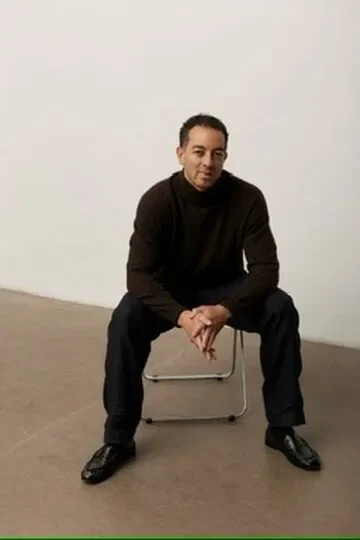
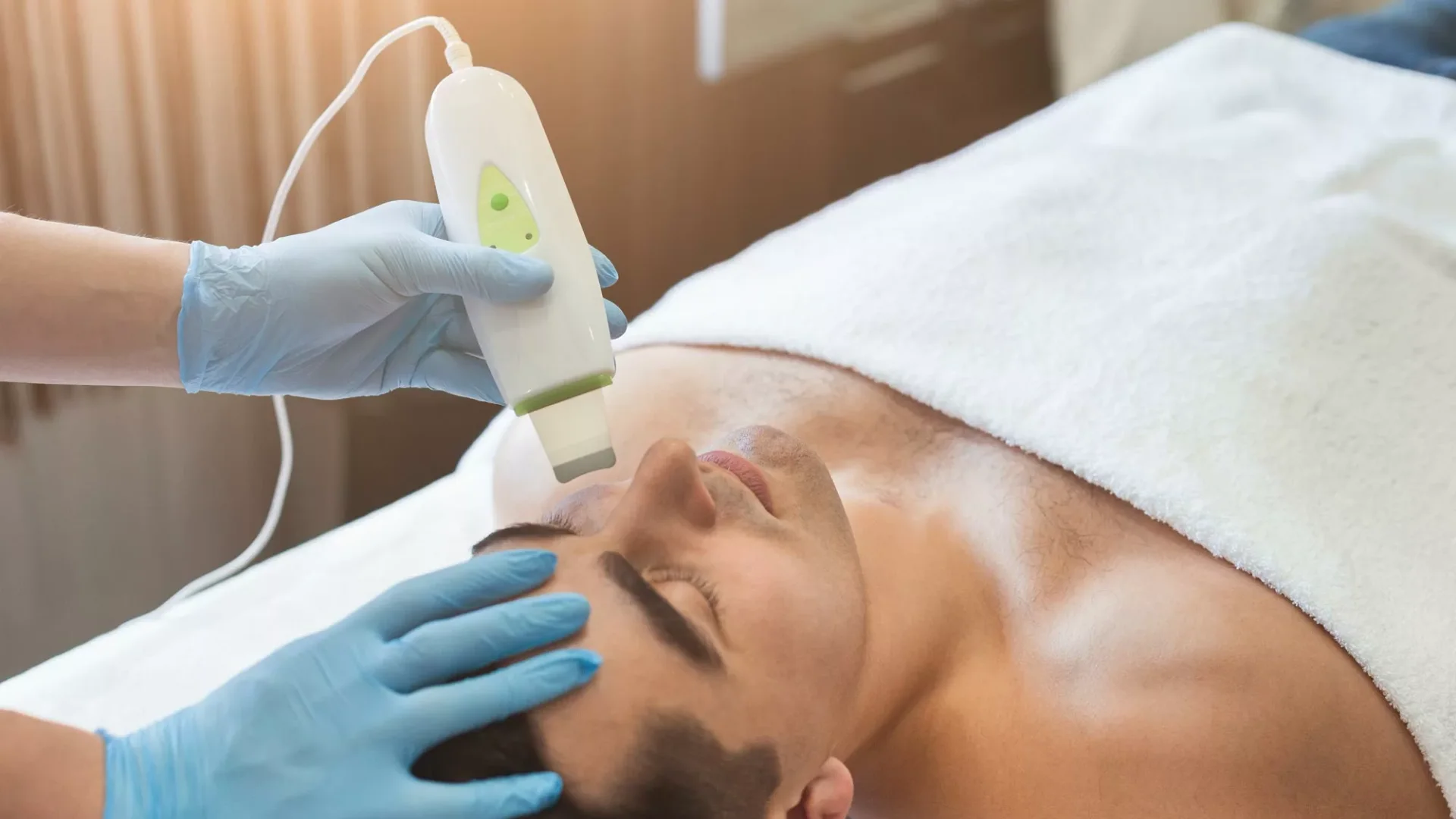
Most men who come to see me aren't chasing youth. They want to look like a sharper, healthier version of themselves — and that starts with understanding that a man's face is not a woman's face with less product on it.
What we're actually trying to achieve
In every consultation, male or female, I'm working on the same three dimensions. I want a patient to look as youthful as possible while still looking natural, as healthy as possible, and as handsome or as beautiful as possible. Those three goals never change. What changes completely is how much weight each one carries, and what "handsome" or "beautiful" actually looks like on a given face. Get that wrong and even technically good work can leave a man looking softer, or somehow less like himself, rather than better.

The male skeleton: wider jaw, not wider cheeks
The bone structure is genuinely different between the sexes. On a male face, the jawline tends to be the widest part of the face. On a female face, it's the cheeks that are widest. That single difference changes almost everything about where I'd add structure or support for a man versus a woman — the emphasis for a man sits along the jaw, not up in the cheek.
Less facial fat means chiselled, not full
Women carry more fat than men generally, and on the face specifically the difference is even more pronounced. That's what gives a female face more fullness through the cheeks, and it reads as feminine. If I chase that same fullness on a male patient, it doesn't read as youthful — it reads as wrong. A male face is meant to look chiselled rather than full. I sometimes describe a female face as more like a sports car — curved, flowing lines. A male face is closer to a well-built jeep: strong, angular, defined edges. Treating a man's face like a smaller, less-full version of a woman's is one of the most common mistakes in this industry, and it's exactly why a round, plump result on a man so often looks off even when every individual treatment was done competently.
Youth isn't the point — rugged beats baby-soft
The other big difference is how much youth itself matters. Generally, youth is valued more in women than it is in men. You see this most clearly in skin. Plenty of women want that baby-soft finish. Most men would be mortified to walk around with skin that soft — they want to look a little more rugged, a little more lived-in. So when I'm planning treatment for a man, "as young as possible" is rarely the actual brief. The real brief is looking healthy, well-maintained and like a credible, attractive version of the age he actually is.
Why the person you choose matters more than the treatment
None of this is a reason to avoid treatment — it's a reason to be careful about who you see. The single most important decision is going to somebody who genuinely understands these differences, who will sit down with you for a proper consultation, build a plan around your face rather than a generic template, and then keep you consistent with it over time. Done that way, with the right treatments at the right intervals, you can look your best for a lot longer — as a man, on a man's terms.
How you judge that person is a subject in itself. I've written out the questions I'd actually ask a clinic — who assesses you, who injects you, and whether they'll tell you no — along with what treatment costs here, in my guide to anti-wrinkle injections in Dublin.
Common questions
Is aesthetic treatment for men just the same as for women, done more subtly?
No. It's not a smaller dose of the same plan. The goals — youthful, healthy, handsome — are the same, but the anatomy and the priorities are different: a wider jaw rather than wider cheeks, less facial fat, and a more rugged rather than baby-soft skin finish. A plan built for a female face and simply scaled down will usually look wrong on a man.
Should men avoid looking "too young" after treatment?
Not avoid it exactly, but it shouldn't be the main goal. Youth is valued less in the male face than the female face, so I'm generally aiming for healthy, defined and well-maintained rather than smoothed-out or softened. A chiselled, natural result tends to read as more attractive on a man than a rounder, more youthful-looking one.
What should a first consultation for a man actually cover?
It should start with your bone structure and skin — where your jawline sits, how much facial fat you have, what "rugged but healthy" looks like on you specifically — and build a plan from there. Consistency matters as much as the treatment itself: the men who look best over time are the ones with an ongoing plan, not a one-off appointment.
Related at Amara
About Dr Paul
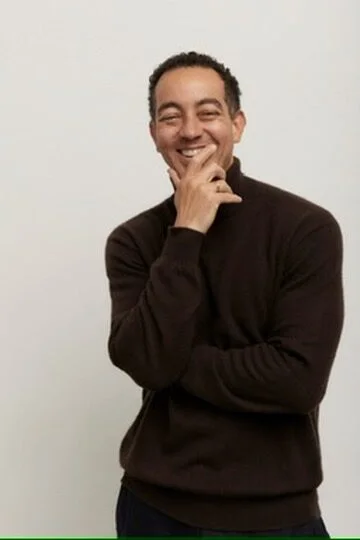 I'm Dr Paul Munsanje — a medical doctor with over 17 years in aesthetic medicine, running a doctor-led clinic across Dublin, Warsaw and Marbella. My work is built on facial anatomy, precision and restraint: treating where it genuinely helps, and just as readily talking you out of what you don't need. This journal is where I write down honestly what I tell my patients.
Consultation-first · Dublin · Warsaw · Marbella
Want my read on your face?
Start with a consultation and I’ll give you an honest, unhurried assessment — and tell you if a treatment isn’t worth it.
Start a consultation with Dr Paul →